

AI note takers are legal in the US when consent rules are met: federal law (18 U.S.C. § 2511) lets one party to a conversation consent to recording. Several states, including California, Florida, Maryland, Montana and Washington, require the consent of all parties, so announce the note taker and get a yes from everyone.
Some links on this page are affiliate links. Buying through them can earn us a commission; it never changes a score. Disclosure.
The rule in one table
| Jurisdiction | Rule | Text |
|---|---|---|
| Federal (all states) | One party can consent, if the recording is not made for a criminal or tortious purpose | 18 U.S.C. § 2511(2)(d) |
| California | All parties to a confidential communication | Penal Code § 632 |
| Connecticut | All parties to a private phone call (civil liability), or a beep or verbal notice | Conn. Gen. Stat. § 52-570d |
| Florida | All parties to a wire, oral or electronic communication | Fla. Stat. § 934.03 |
| Maryland | All parties to the communication | Md. Code, Cts. & Jud. Proc. § 10-402 |
| Montana | All parties, with exceptions such as public officials at work | Mont. Code § 45-8-213 |
| Washington | All parties to a private conversation or communication | RCW 9.73.030 |
What federal law allows
The federal Wiretap Act makes it lawful for a person who is a party to a conversation to record it, or to let a tool record it, as long as one party agrees and the recording is not made to commit a crime or a tort. That is the text of 18 U.S.C. § 2511(2)(d). In plain terms: if you run the meeting and you turn on the note taker, federal law treats your own consent as enough.
The catch is that federal law is a floor, not a ceiling. A state can ask for more, and when people on the same call sit in different states, the stricter rule is the safer one to follow.
Which states require everyone to agree?
The states in the table above ask for the consent of every party in at least some situations. California protects "confidential communications"; Washington protects "private" conversations; Florida and Maryland cover oral and electronic communications broadly; Montana lists exceptions for public officials and public meetings; Connecticut's rule targets private phone calls and lets a recording beep or a spoken notice stand in for written consent.
Our table lists only the statutes we could open on an official site. Other states have all-party rules for some kinds of communications too, so if your state is not listed, read its statute or ask a lawyer before you record people who have not agreed.
Does a meeting bot count as consent?
A bot that joins as a named participant ("Notetaker", "Assistant") is a strong notice: everyone sees it in the list and can object. It is not the same as a yes, though. In an all-party state, the safest habit is to say it out loud at the start ("I'm using a note taker, is everyone OK with that?") and to remove the bot if someone says no.
Platforms help here. Zoom lets hosts control which apps and bots can join, per Zoom's help article on blocking bots. Microsoft documents how transcription and Copilot are switched on in Teams meetings in its admin guide. Google explains how "Take notes for me" is turned on and shared in Meet's help center.
No-bot note takers: the quiet risk
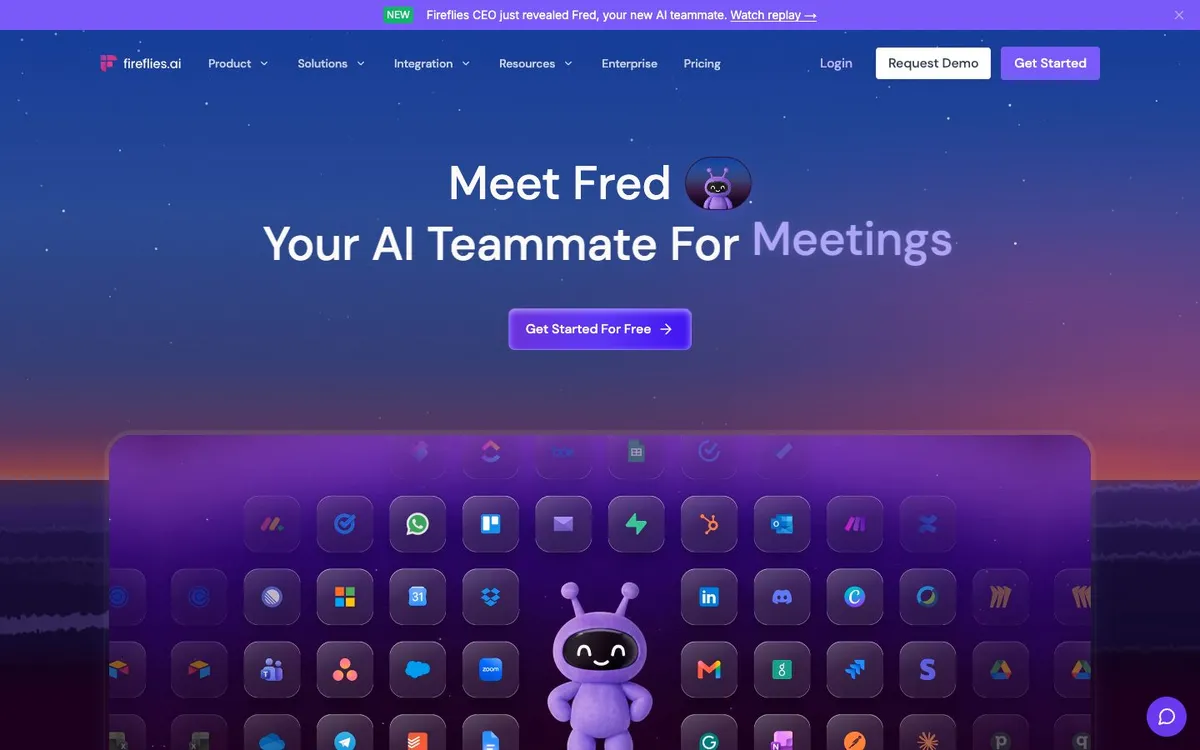
Tools that capture your computer audio or work through a browser extension (Granola, Tactiq, the desktop apps of Krisp, Notta and tl;dv) add no participant to the call. That is exactly why people like them, and exactly why consent becomes your job. Nobody on the other side gets a visual cue. If you use one with clients in California, Florida or Washington, announce it.
- Say it at the start of the call, and again when someone joins late.
- Put a line in your calendar invites ("AI notes are taken during this call").
- Offer to share the notes: it turns a privacy question into a service.
Video: “Record meetings without a bot: Fireflies desktop app and Chrome extension”, Fireflies AI (official channel) (YouTube).
Recorders in a room and on the phone
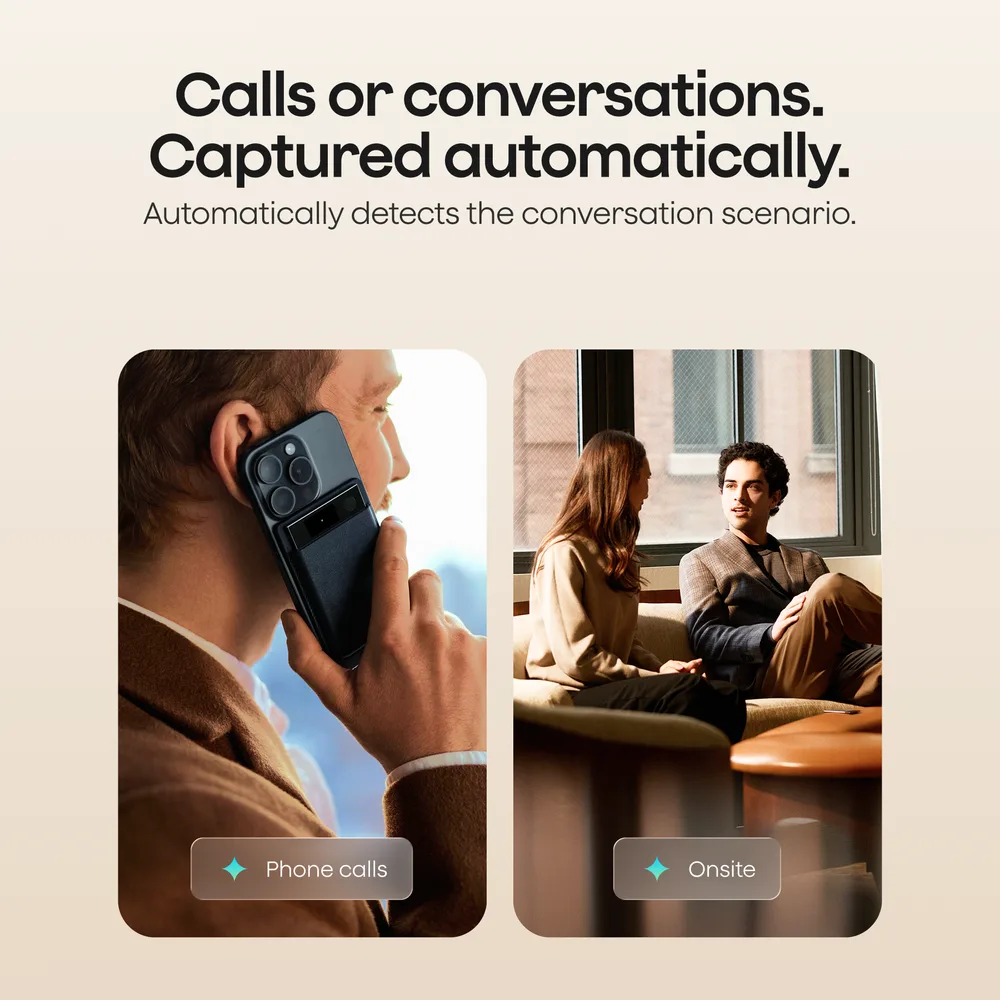
A card recorder like the Plaud Note Pro or a pin like the NotePin S follows the same rules as any recorder: the law cares about the conversation, not the gadget. On a phone call with someone in an all-party state, tell them before you press record. In a meeting room, a recorder on the table is visible, but a short sentence at the start removes any doubt.
Voiceprints, health data and other special cases
Some laws go beyond recording. In Illinois, lawsuits against note-taking vendors allege that voiceprints are biometric data under the state's Biometric Information Privacy Act; see for example the docket of Cruz v. Fireflies.AI Corp.. These are allegations in pending or decided cases, not findings against you as a user, but they explain why vendors now publish consent settings.
If you work in health care, the tool processes protected health information, and the vendor must sign a business associate agreement with you, as HHS explains for business associates. Several vendors here reserve that agreement for their top plans; each review names the plan.
A five-step consent routine
- Turn on the note taker only for meetings you host or where the host agrees.
- Announce it at the start, and offer to stop.
- Prefer a visible bot with outside guests; keep no-bot tools for internal calls where everyone knows.
- Check where recordings are stored and for how long (every review lists the retention we found).
- Share the notes with participants, and delete what you no longer need.
Our picks to compare
Fireflies.ai
Teams on Zoom, Meet and Teams who want searchable calls, integrations and 100+ languages.
Try Fireflies free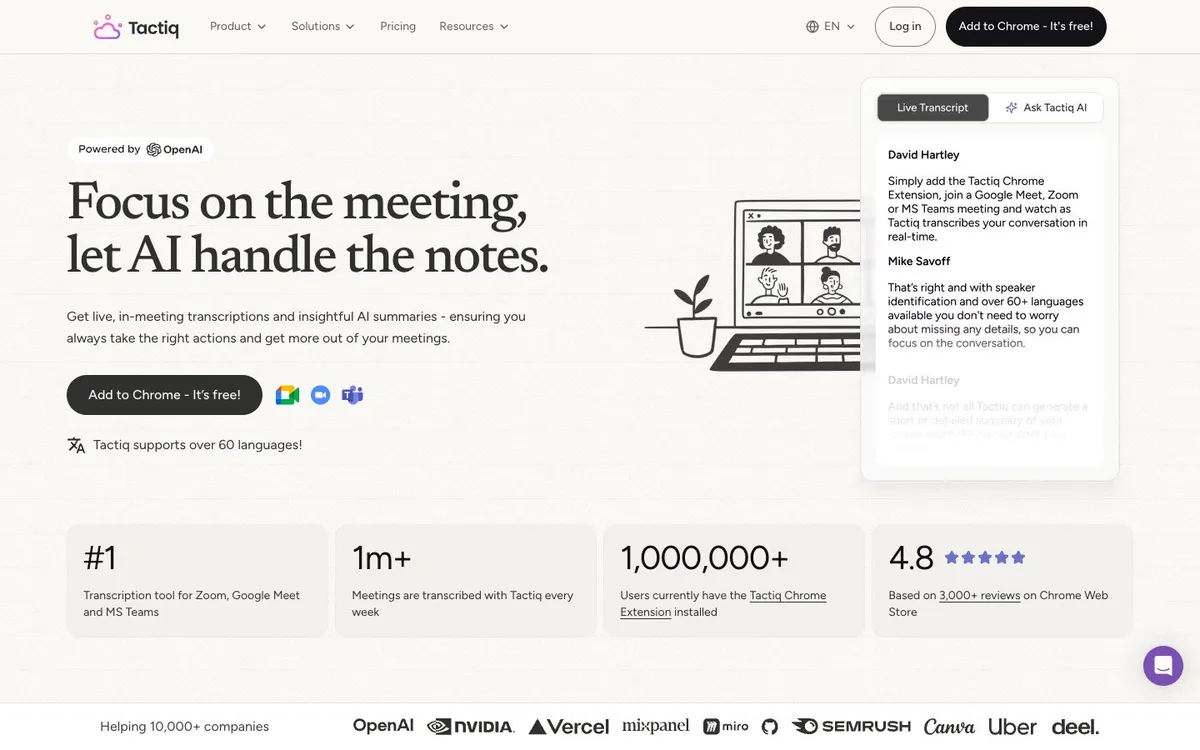
Tactiq
Google Meet users who want live transcripts without a bot, for $8.
Try Tactiq free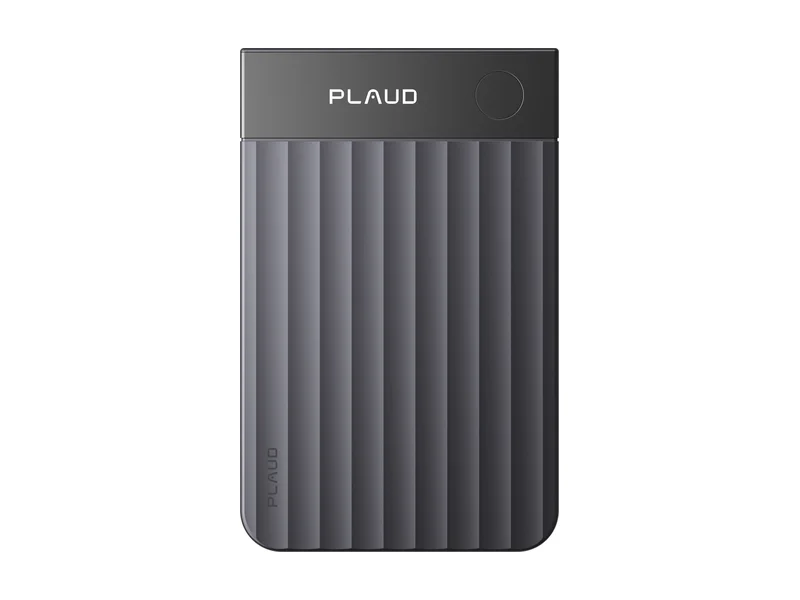
Plaud Note Pro
Meetings around a big table and back-to-back calls.
Check price at Amazon